

Starting a mindfulness practice can feel overwhelming with so many apps, books, and techniques available today. But mindfulness for beginners is simpler than it seems. The good news is that you don’t need special equipment,
years of training, or hours of free time to start experiencing the benefits of mindful awareness.
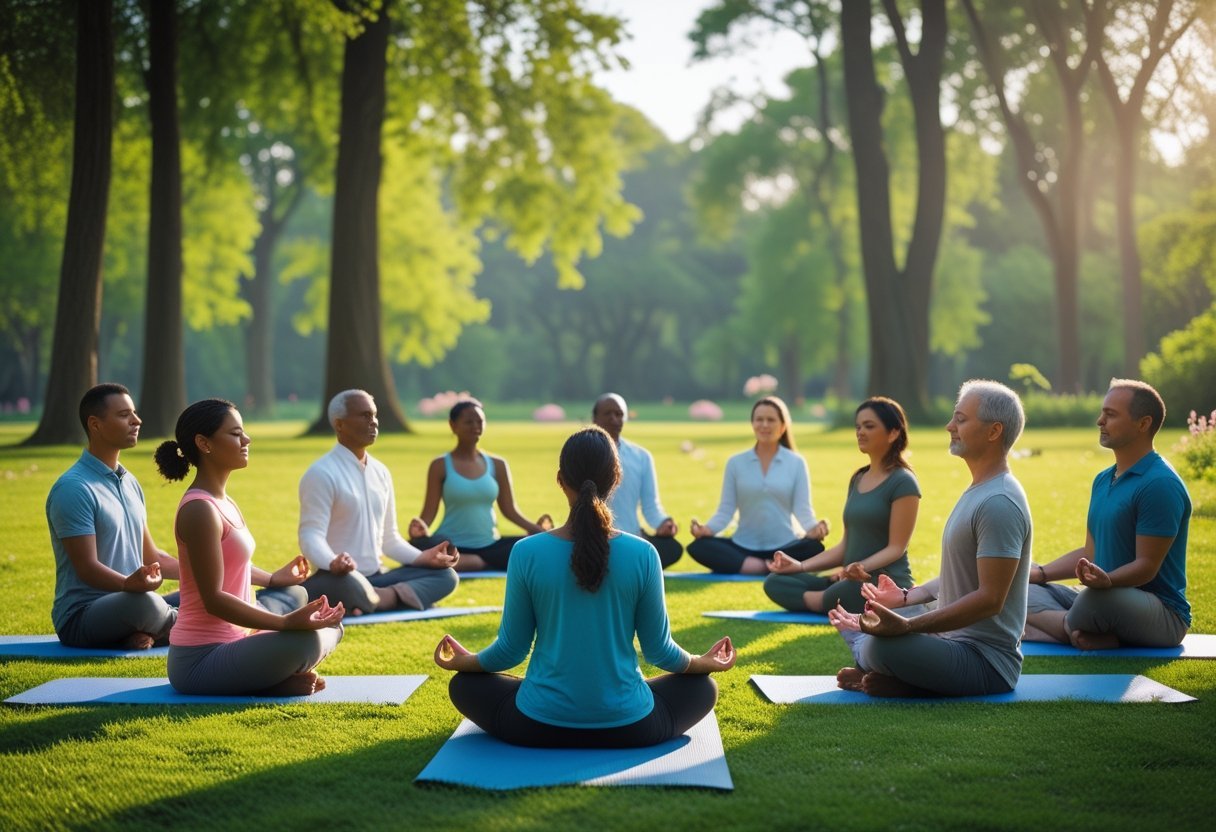
Mindfulness is simply the practice of paying attention to the present moment without judgment, and you can start with just a few minutes of focused breathing each day. Mindfulness awareness comes from paying attention to what’s happening in and around you. This practice is accessible to anyone, regardless of experience level.
You might want to reduce stress or improve focus. Perhaps you are looking for more peace in your daily routine. Mindfulness offers practical tools that fit into your existing schedule. You’ll discover simple techniques like breathing exercises and body scans. They require no special training. You’ll also learn ways to bring mindful awareness to activities you already do, such as walking or eating.
Understanding Mindfulness
Mindfulness involves being fully present in the moment while accepting your thoughts and feelings without judgment. This practice centers on awareness, acceptance, and developing a compassionate relationship with your inner experience.
Core Principles of Mindfulness
Mindfulness is a type of simple meditation that focuses on present-moment awareness. You learn to observe your thoughts, emotions, and sensations as they arise without trying to change them.
The practice involves three essential elements:
- Attention – Focusing on what’s happening right now
- Awareness – Noticing your thoughts and feelings without getting caught up in them
- Acceptance – Allowing experiences to be as they are
When you practice mindfulness, you develop the ability to step back from automatic reactions. This creates space between you and your experiences.
You don’t need to empty your mind or stop thinking. Instead, you observe your mental activity like watching clouds pass in the sky. This gentle observation helps you recognize patterns in your thinking and emotional responses.
Attitudes and Pillars for Beginners
Jon Kabat-Zinn identified key attitudes that support mindfulness practice. These attitudes help you approach your experience with openness and curiosity rather than criticism.
Beginner’s Mind allows you to see situations with fresh eyes. You approach each moment as if experiencing it for the first time, without assumptions based on past experiences.
Non-striving means letting go of the need for specific outcomes. You practice without trying to achieve particular states of mind or eliminate certain feelings.
Patience involves accepting that growth takes time. You don’t rush the process or expect immediate results from your practice.
Trust in your own experience becomes crucial. You learn to rely on your inner wisdom rather than constantly seeking external validation.
These attitudes create a foundation for self-compassion. You treat yourself with the same kindness you would offer a good friend facing difficulties.
Benefits of Mindfulness for Beginners
Regular mindfulness practice offers proven benefits for your mental well-being, physical health, and stress management. These improvements can happen quickly, with many beginners noticing positive changes within just a few weeks of consistent practice.
Mental Health and Emotional Balance
Mindfulness helps you reduce stress and improve emotional regulation by teaching you to notice your thoughts without judgment. This practice creates space between you and your emotions, making it easier to respond rather than react.
When you practice mindfulness regularly, you develop better awareness of your thought patterns. This awareness helps you recognize negative thinking before it spirals out of control.
Key mental health benefits include:
- Better mood stability
- Reduced anxiety symptoms
- Improved focus and concentration
- Enhanced self-awareness
You also gain insight into your feelings and emotions through regular practice. This understanding builds self-esteem and helps you develop a healthier relationship with yourself.
Mindfulness teaches you to accept difficult emotions without trying to push them away. This acceptance reduces the struggle with negative feelings and helps them pass more naturally.
Physical Health Improvements
Your body responds positively to mindfulness practice in measurable ways. Regular meditation can lower blood pressure, improve sleep quality, and boost immune function.
Physical benefits you may notice:
- Better sleep patterns
- Reduced muscle tension
- Lower heart rate during stress
- Improved digestion
As a beginner, it is good to know that mindfulness has several benefits. It helps you become more aware of physical sensations. Mindfulness also helps you recognize body signals. This awareness can help you recognize when you need rest, food, or movement.
The practice reduces inflammation in your body, which is linked to many chronic health conditions. This happens because mindfulness lowers stress hormones like cortisol.
You may also notice improvements in chronic pain conditions. Mindfulness changes how your brain processes pain signals, making discomfort more manageable.
Stress Reduction and Mindfulness-Based Stress Reduction Programs
Mindfulness-Based Stress Reduction (MBSR) programs have been studied extensively and show strong results for stress management. These structured programs teach specific techniques that you can use in daily life.
Common MBSR techniques include:
- Body scan meditation
- Mindful breathing exercises
- Gentle yoga movements
- Walking meditation
The programs typically last 8 weeks and include weekly group sessions plus daily home practice. Research shows that participants often experience significant stress reduction that lasts long after the program ends.
You can practice these techniques on your own or find local MBSR classes. Many healthcare providers now recommend these programs as part of treatment for anxiety, depression, and chronic pain.
The stress reduction happens because mindfulness activates your parasympathetic nervous system. This is your body’s natural relaxation response that counteracts the fight-or-flight reaction.
Even simple mindfulness practices like mindful breathing or walking can provide immediate stress relief when used regularly.
Essential Mindfulness Practices and Techniques
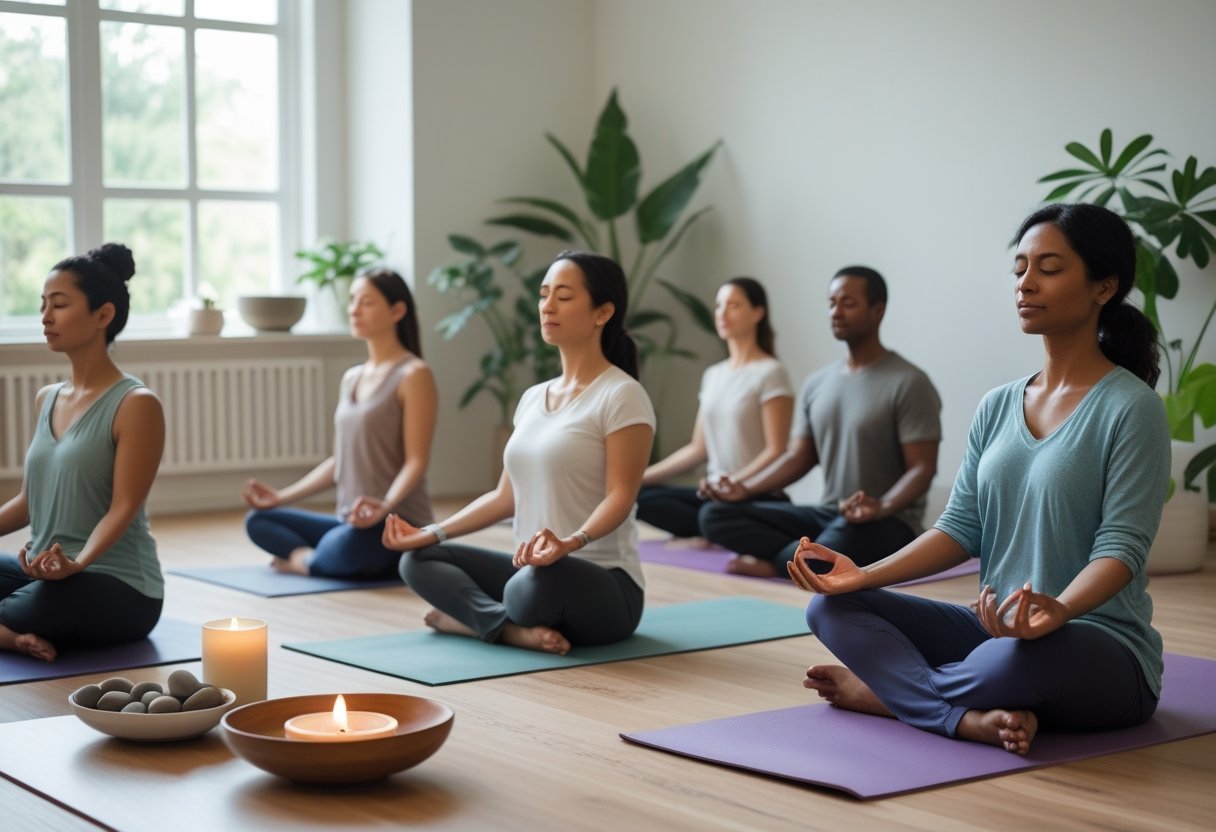
These core techniques form the foundation of mindfulness practice, from basic breathing methods to structured meditation sessions. Each practice helps you develop present-moment awareness and reduces stress through simple, proven methods.
Mindfulness Meditation Fundamentals
Mindfulness meditation involves sitting quietly and observing your thoughts without judgment. You focus on staying present instead of getting caught up in mental chatter.
Start by finding a comfortable seated position with your back straight. Close your eyes or soften your gaze downward. Set a timer for 5-10 minutes when beginning.
Basic Steps:
- Notice when your mind wanders
- Gently return attention to your chosen focus point
- Avoid criticizing yourself for distracted thoughts
- Practice consistently at the same time daily
Your thoughts will naturally drift during meditation. This is normal and expected. The practice happens when you notice the wandering and guide your attention back.
Mindfulness meditation techniques can be practiced anywhere once you learn the basics. Regular practice strengthens your ability to stay present throughout daily activities.
Breathing Exercises and Mindful Breathing
Breathing exercises anchor you to the present moment through focused attention on your breath. Your breath serves as a constant, reliable point of focus that you can access anytime.
Simple Mindful Breathing Technique:
- Breathe in through your nose for 4 counts
- Hold your breath for 4 counts
- Exhale through your mouth for 6 counts
- Repeat 5-10 times
Mindful breathing means paying attention to the physical sensations of each breath. Notice the cool air entering your nostrils and the warm air leaving your mouth.
You can practice breathing exercises while sitting, walking, or even during stressful moments. Mindful breathing practices help calm your nervous system and reduce anxiety quickly.
Focus on your chest rising and falling or the sensation of air moving through your nostrils. When your mind wanders, simply return to counting breaths.
Body Scan and Other Meditation Techniques
Body scan meditation involves mentally checking in with different parts of your body from head to toe. This practice increases body awareness and helps release physical tension.
Body Scan Process:
- Lie down comfortably on your back
- Start at the top of your head
- Slowly move attention down through each body part
- Notice sensations without trying to change them
- Spend 10-15 seconds on each area
Other effective meditation techniques include walking meditation and mindful eating. Walking meditation combines movement with awareness by focusing on each step.
Books and podcasts teach new techniques and a sense of inspiration. Please be sure to look for resources specifically designed for beginners. Many libraries have meditation books and audiobooks you can borrow for free.
Loving-kindness meditation involves sending good wishes to yourself and others. Various meditation techniques offer different approaches to developing mindfulness skills.
Choose techniques that feel natural to you. Some people prefer movement-based practices while others enjoy stillness.
Guided Mindfulness Sessions
Guided sessions provide verbal instructions that lead you through meditation practices. A teacher or app guides your attention and offers reminders to stay present.
Benefits of Guided Sessions:
- Clear instructions for beginners
- Structured timing and pacing
- Reduced worry about “doing it right”
- Variety of different techniques
Popular apps like Calm and Headspace offer guided mindfulness sessions for all skill levels. These sessions typically last 5-30 minutes.
Guided sessions teach you proper technique before practicing independently. The instructor helps you understand what to expect and how to handle common challenges.
Start with shorter guided sessions and gradually increase duration as you build concentration. Many people find guided practice helpful even after developing independent meditation skills.
Building Mindfulness Into Daily Life
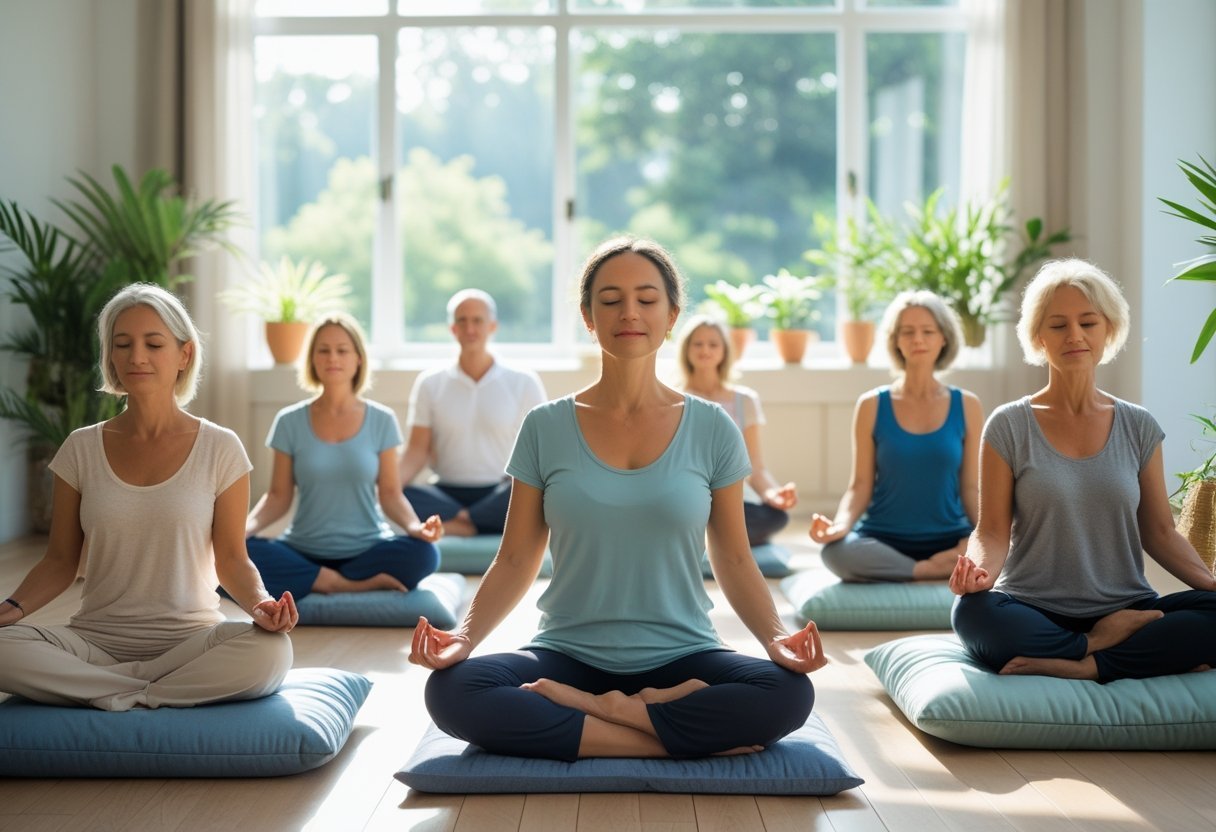
As a beginner, it is essential to know what making mindfulness a regular part of your life means. Finding simple ways to stay present during normal activities and using helpful tools to support your practice. You can turn everyday tasks into mindfulness opportunities and explore gentle movement practices that combine physical activity with awareness.
Mindfulness in Everyday Activities
You can practice mindfulness during activities you already do every day. This makes it easy to build the habit without adding extra time to your schedule.
Mindful eating helps you enjoy food more and notice hunger signals. Take small bites and chew slowly. Notice the taste, texture, and smell of your food. Put down your phone and focus only on eating.
Mindful walking turns any walk into a practice session. Feel your feet touching the ground with each step. Notice your breathing and the sights around you. You can do this while walking to work or around your neighborhood.
Mindful listening improves your relationships and reduces stress. When someone talks to you, give them your full attention. Notice their tone of voice and body language. Avoid planning what you will say next.
Household tasks become chances to practice concentration. While washing dishes, feel the warm water and soap bubbles. When folding laundry, notice the texture of different fabrics. These simple activities can calm your mind.
Exploring Mindful Yoga and Movement Practices
Movement practices combine physical activity with mindfulness to help you stay present in your body. These gentle exercises work well for beginners and can be done at home.
Mindful yoga focuses on connecting breath with movement. You don’t need to be flexible or experienced. Simple poses like child’s pose or cat-cow stretch help you notice how your body feels. Pay attention to your breathing as you move between poses.
Tai chi involves slow, flowing movements that promote mindful living. The gentle motions help improve balance and reduce stress. Many community centers offer beginner classes, or you can follow online videos.
Stretching exercises become mindfulness practice when you focus on the sensations in your muscles. Notice areas of tension and breathe into those spots. Even five minutes of mindful stretching can help you feel more relaxed.
Tools and Resources for Ongoing Practice
Technology and simple tools can support your mindfulness practice and help you stay consistent. These resources make it easier to learn new techniques and track your progress.
Mindfulness apps like Headspace offer guided meditations for beginners. They provide daily reminders and track your practice time. Many apps include specific programs for sleep, stress, or focus.
Other popular apps include Calm, Insight Timer, and Ten Percent Happier. Most offer free content along with paid features. Try different apps to find one that matches your learning style.
Meditation cushions or comfortable chairs help you sit properly during practice. Good posture supports longer meditation sessions. A simple pillow or folded blanket works just as well as expensive equipment.
Local classes connect you with other practitioners and provide in-person guidance. Check community centers, yoga studios, or hospitals for beginner-friendly options.