
We all have hard days.
My hard days often start with pain before my feet hit the floor.
The days when the to-do list feels impossible.
When emotions are loud, energy is low, and everything feels like too much.
As someone living with Crohn’s disease, I know “hard” days more intimately than I’d like to. There are days when my body feels like it’s betraying me. My energy is gone before I’ve even moved. My spirit feels heavy with questions I can’t answer.
For a long time, I resisted those days. I judged myself for them. I’ve even tried to push through and pretend. But I’ve learned I don’t have to “fix” the hard days to move through them. I need to be with myself in them, tenderly, honestly, and without shame.

What a “Hard Day” Looks Like for Me
Some days, it’s physical pain. Fatigue that feels like I’m walking through water. My joints ache, my stomach tightens, and I feel the shadow of a flare looming in the background.
Other days, it’s emotional. Anxiety that creeps in quietly. Frustration over how different my life feels from what I expected. Loneliness that wraps around my thoughts, making everything feel more distant and overwhelming.
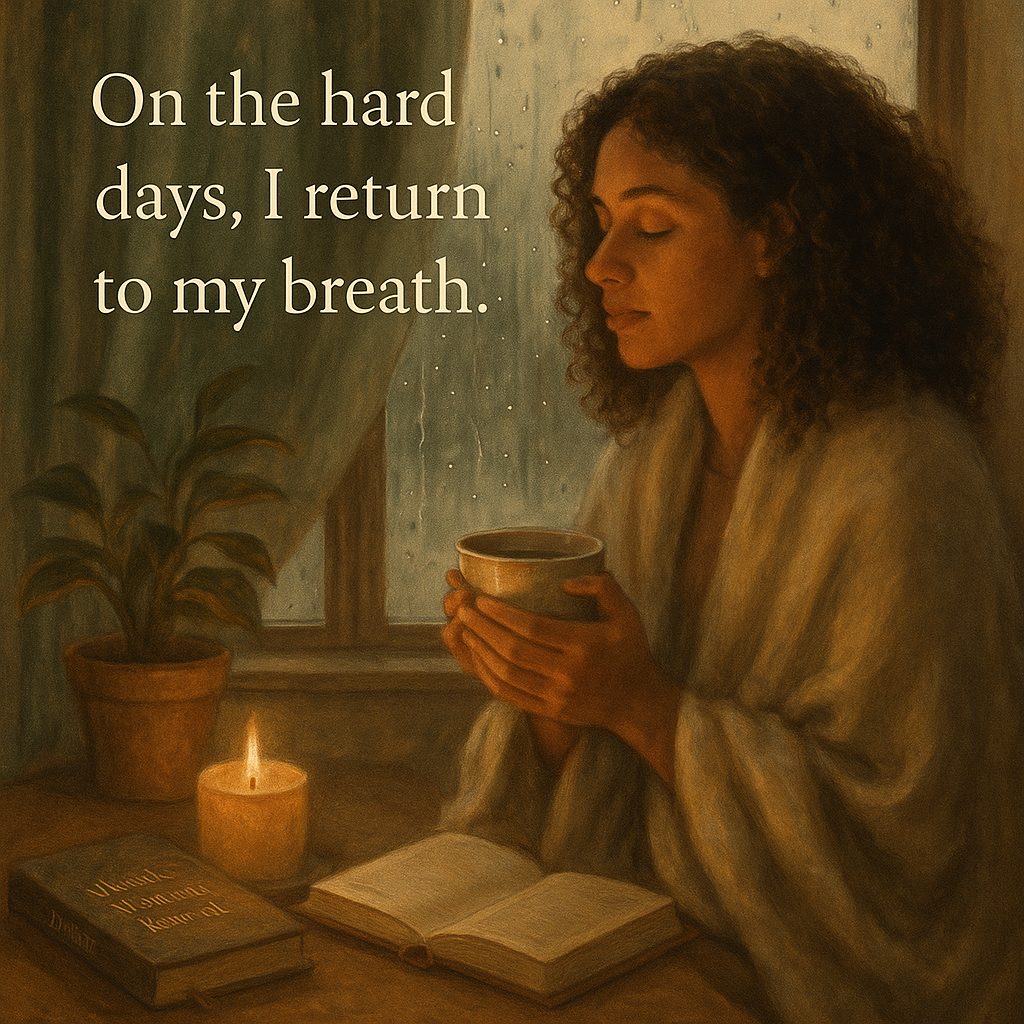
Last Thursday, I woke up already exhausted. My stomach was tight, my energy was gone, and my first thought was: “I don’t have it in me today.” I lay in bed, staring at the ceiling, asking God why. Why this path? Why this pain? My chest felt heavy, as if I were carrying invisible weight. That’s how my hard days often start.
Before mindfulness, those days would unravel me. I would either force myself to push through, pretending I was okay, or I’d shut down completely. Neither brought peace.
Neither helped me feel whole.
But mindfulness… mindfulness gently invited me back to myself.
What Mindfulness Has Taught Me
1. I Can Pause Instead of Push
Mindfulness reminds me to stop, even if it’s just for 30 seconds, and take a breath before reacting. That pause has become sacred. I take a moment to place my hand on my chest. Feel the rise and fall of my breath. I whisper to my body, “You’re safe. You’re allowed to slow down.”
Sometimes, that answer is rest or even its movement. At other times, it is prayer, or simply silence. Whatever the answer is, the pause gives me consent to receive it.
2. I Don’t Have to Believe Every Thought
Hard days often come with complex thoughts:
“Why can’t you just get it together?”
“You will never find another job.”
“Your illness is too much to have a partner.”
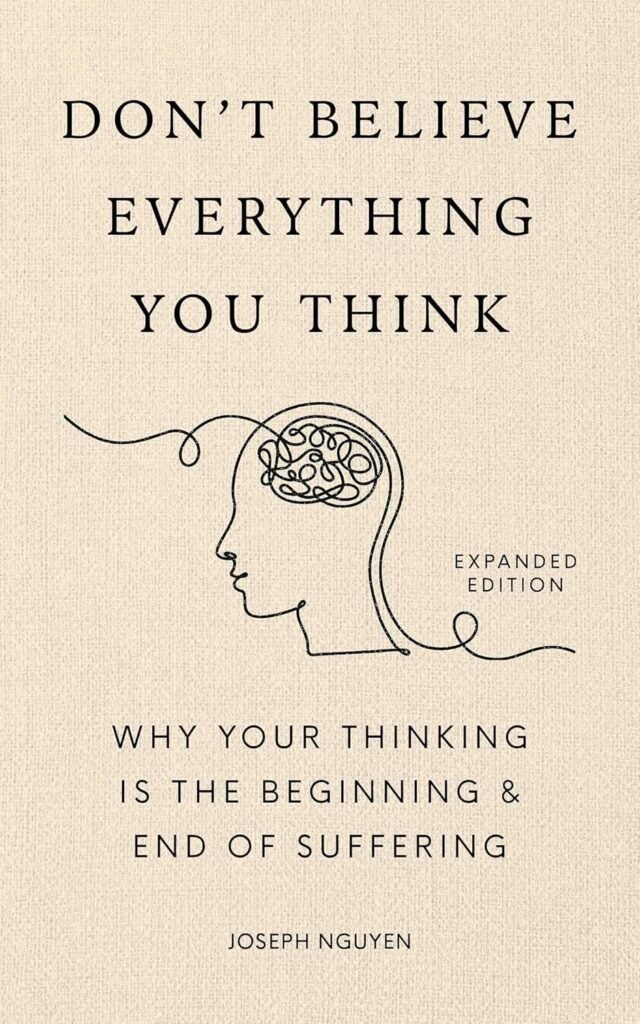
I’ve had all those thoughts, some of them more times than I would like to admit. They sneak in when I’m vulnerable and whisper lies in the voice of fear. But something changed when I listened to the audio version of the book of “Don’t Believe Everything You Think” by Joseph Nguyen.
That book, combined with my mindfulness practices, taught me to view my thoughts as clouds. They are temporary, shifting, and not fixed truths. I can observe them without allowing them to define me. I can return to God’s presence, knowing that I am so much more than what my mind sometimes says.
3. Presence Is Powerful Medicine
There’s something deeply healing about presence. On hard days, I find peace in sitting with a warm cup of tea and listening to worship music. I take a moment to rest my hand on my chest. At that moment, I feel my heartbeat. It is a pure and gentle reminder that I’m still here. Still alive.
Presence doesn’t remove the pain, but it grounds me in something bigger. It’s in the calm that still lives within me, even when everything feels chaotic. And in those moments, I remember I don’t have to abandon myself. I am allowed to stay, to feel, to soften.
My Go-To Mindfulness Practice on Tough Days
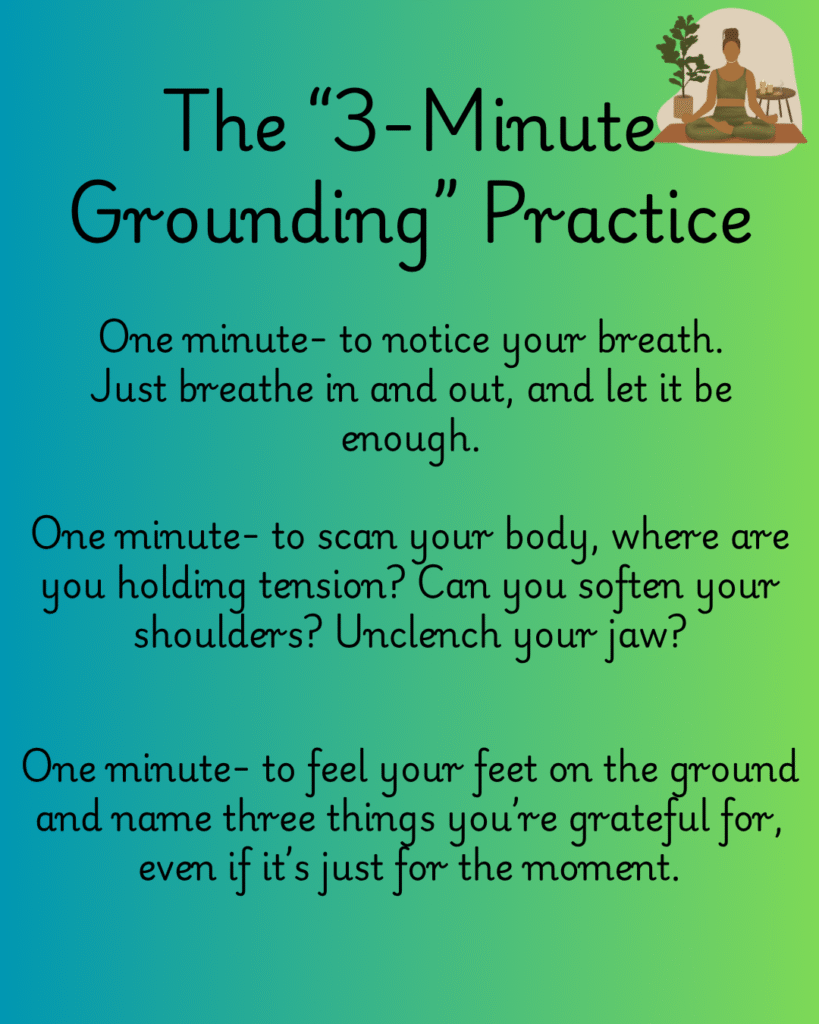
Here’s a simple practice I return to again and again:
Permission to Rest
For so long, I believed rest had to be earned. That I needed to be productive, strong, or in crisis to deserve stillness.
But mindfulness offered me a different truth:
You are allowed to rest, not because you’ve done enough, but because you are enough.
I didn’t believe it at first. There were times when I judged myself for needing a nap. I apologized for canceling plans.
Some days, the best choice I can make is to be mindful. I say, “Today, I will care for my body with softness.” I will honor my limits with love.
Rest isn’t lazy. It’s sacred. It is the nervous system exhaling and the spirit unclenching its fists. It’s the kindest thing I can offer myself on the hard days.
Now, when I feel my energy dip or my body whisper slow down, I try to listen. Not just with tolerance, but with reverence.

Final Thoughts
Mindfulness doesn’t make the hard days disappear. But it helps me meet them with softness, with presence, and with grace. It reminds me that I don’t need to be fixed. I need to be loved. I need to be seen; first by myself, and then by the God who holds me, even in the mess.
So, if you’re reading this on a hard day, I want you to know:
You’re not alone.
You don’t have to be perfect to be present.
You don’t have to be healed to be whole.
But you go, I ask you:
- What do you need?
- Are you showing up for yourself the way you show up for others?
- Did you take a moment today for gratitude?