
When anxiety strikes, your body often responds with shallow, rapid breathing that can make you feel even more stressed and overwhelmed. Simple breathing exercises can quickly activate your body’s natural relaxation response, helping to lower your heart rate and calm anxious thoughts in just a few minutes. These techniques work by engaging your parasympathetic nervous system, which helps shift your body out of fight-or-flight mode.
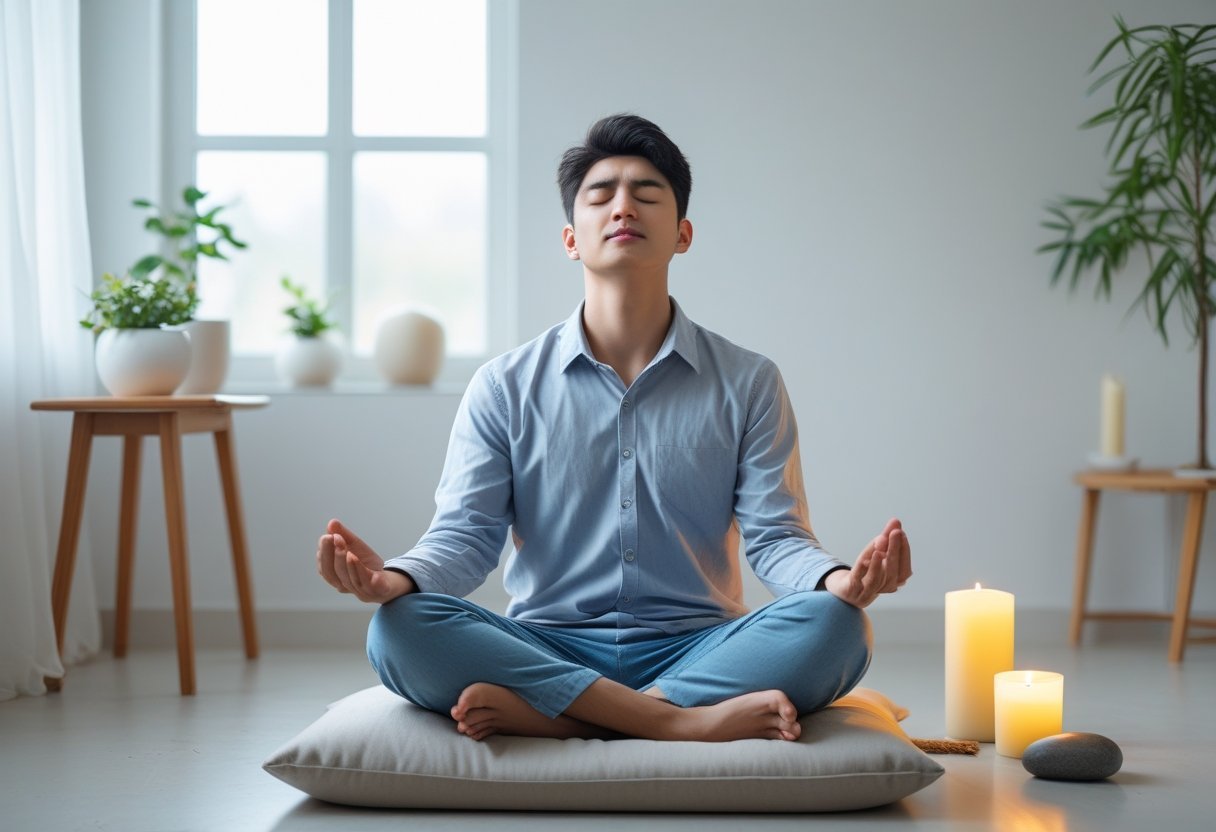
You don’t need special equipment or training to start using breathing exercises for anxiety relief. Most techniques can be done anywhere – at your desk, in your car, or at home – making them practical tools for managing stress throughout your day.
Beyond breathing techniques, there are additional calming strategies you can incorporate into your daily routine to build long-term resilience against anxiety. Understanding how proper breathing works alongside other stress management tools gives you a complete toolkit for finding calm when life feels chaotic.
Breathing Techniques for Anxiety Relief
Breathing exercises activate your body’s natural relaxation systems and can quickly reduce anxiety symptoms. These techniques work by slowing your heart rate, lowering stress hormones, and shifting your nervous system into a calmer state.
Diaphragmatic Breathing and Its Benefits
Diaphragmatic breathing targets the large muscle that separates your chest from your abdomen. This technique helps you breathe more efficiently and activates your body’s relaxation response.
How to practice diaphragmatic breathing:
- Place one hand on your chest and one on your belly
- Breathe in slowly through your nose
- Your belly should rise while your chest stays still
- Exhale slowly through slightly pursed lips
This breathing pattern helps slow your breathing rate and reduces your body’s demand for oxygen. Your muscles use less energy, which creates a calming effect throughout your body.
When you practice this technique regularly, you train your diaphragm to work more effectively. This leads to better oxygen flow and less tension in your shoulders and neck.
How Cyclic Sighing Reduces Anxiety
Cyclic sighing is a natural breathing pattern that helps reset your nervous system. This technique involves taking a double inhale followed by a long, slow exhale.
The cyclic sighing process:
- Take a normal breath in through your nose
- Add a second, smaller inhale on top
- Exhale slowly and completely through your mouth
This pattern triggers a physiological response that calms your mind and body. The double inhale maximizes oxygen intake, while the extended exhale activates relaxation pathways.
Research in behavioral sciences shows that cyclic sighing can reduce anxiety more effectively than other breathing methods. The technique works because it mimics your body’s natural stress-relief mechanism.
You can use cyclic sighing anywhere when you feel anxiety rising. Even a few cycles can help shift your nervous system toward calmness.
Long Exhalations and the Calming Effect
Extending your exhale longer than your inhale creates a powerful calming effect on your nervous system. This simple change in breathing pattern can quickly reduce anxiety and stress.
Why long exhalations work:
- Slower heart rate – Extended exhales signal your heart to beat more slowly
- Reduced stress hormones – Longer exhales decrease cortisol production
- Muscle relaxation – Your body naturally releases tension during extended exhales
Try breathing in for 4 counts and exhaling for 6-8 counts. This breathing exercise helps make your breaths slower and more intentional.
The 4-7-8 technique uses this principle effectively. You inhale for 4 counts, hold for 7, then exhale for 8 counts.
Focus on making your exhale smooth and controlled rather than forced. This gentle approach helps your body respond more positively to the technique.
Calming Tools and Lifestyle Strategies
Building a complete approach to managing stress and anxiety involves adding breathing exercises to your daily routine, using physical activity as a stress outlet, and creating habits that support mental calm. These strategies work together to give your body and mind better tools for handling daily challenges.
Integrating Breathing Exercises Into Daily Routine
The key to getting the most from breathing techniques is regular practice rather than waiting for stressful moments. Start with just 5 minutes each morning when you wake up.
Morning routine options:
- 4-7-8 breathing before getting out of bed
- Box breathing during your coffee
- Deep belly breathing in the shower
Set phone reminders for three breathing breaks during your workday. Even two minutes of focused breathing can reset your stress response.
Evening breathing practice helps your body prepare for sleep. Try the physiological sigh technique 30 minutes before bed. This involves taking two inhales through your nose followed by a long exhale through your mouth.
Weekly practice schedule:
- Monday-Friday: 5-minute morning session
- Daily: Three 2-minute work breaks
- Every evening: 10 minutes before bed
- Weekend: One longer 15-20 minute session
Track your practice using a simple calendar or phone app. Consistency matters more than perfect technique when you’re starting out.
Exercise and Physical Activity for Stress
Physical activity naturally reduces stress hormones like cortisol while boosting mood-improving chemicals in your brain. You don’t need intense workouts to see benefits.
Low-impact stress-busting activities:
- Walking for 20-30 minutes daily
- Swimming or water aerobics
- Gentle yoga or tai chi
- Dancing to your favorite music
Exercise helps regulate your breathing patterns and makes your body more efficient at using oxygen. This creates a calmer baseline state throughout your day.
Strength training twice per week can reduce anxiety symptoms. Focus on compound movements like squats, pushups, and planks that engage multiple muscle groups.
Sample weekly activity plan:
- 3 days: 30-minute walks
- 2 days: Strength training (20-30 minutes)
- 2 days: Yoga or stretching (15-20 minutes)
Choose activities you actually enjoy. The best exercise for stress is the one you’ll stick with long-term.
Developing a Calmer Mind With Daily Habits
Small daily choices add up to create a calmer mental state over time. Your sleep, diet, and environment all affect how well your body handles stress.
Sleep habits for better stress management:
- Go to bed at the same time each night
- Keep your bedroom cool and dark
- Avoid screens for one hour before sleep
- Use breathing exercises if you can’t fall asleep
What you eat affects your stress levels. Limit caffeine after 2 PM since it can stay in your system for 6-8 hours. Choose whole foods over processed snacks when possible.
Create physical spaces that support calm feelings. This might mean decluttering your workspace, adding plants to your home, or designating a quiet corner for breathing practice.
Daily calm-building habits:
- Start each day with 5 minutes of quiet time
- Take regular breaks from news and social media
- Spend time outside in natural settings
- Practice saying no to unnecessary commitments
Managing anxiety requires consistent daily strategies rather than crisis management. These habits become automatic with practice and create a foundation for handling whatever stress comes your way.